


Ayurveda for Autumn: How to Stay Grounded, Balanced, and Healthy This Season

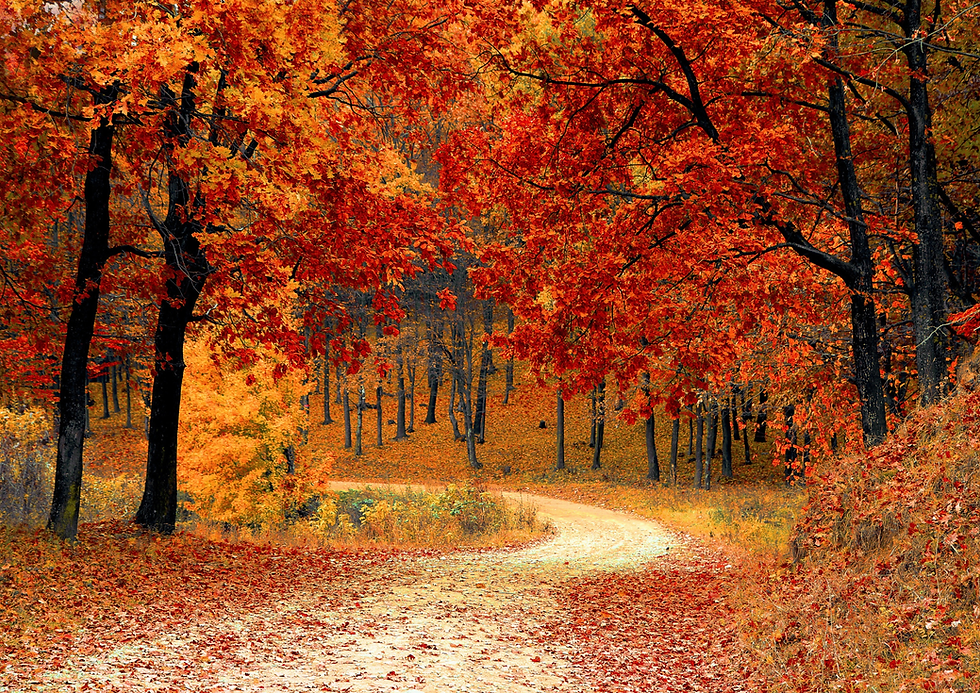
Fall is officially here, the fall equinox has passed and our bodies are starting to adjust to the new qualities present in the environment. Autumn has a distinct energy, the leaves let go, the wind picks up, and the temperature gets a little colder. The main qualities that accompany fall is movement, due to the wind, lightness, dryness, roughness and subtle. As beautiful as this time of year can be, if we are not adapting our routine, fall can leave us feeling dry, scattered and with Vata imbalanced. So today we are going to take a look at some simple ways we can adjust our routine, through diet and lifestyle choices to promote balance during Autumn!
Quick Takeaways
Short on time? Start here with these simple yet powerful techniques to bring Ayurveda into your Autumn:
Keep a consistent dinacharya—regular wake, sleep, and meal times matter more than any single remedy.
Favor warm, moist, grounding foods over cold, dry, or raw foods.
Eat healthy fats like ghee and sesame oil to counter the season's dryness.
Try a daily warm oil self-massage (abhyanga), especially with sesame oil.
Take short pauses in your day—even one to five minutes of stillness helps reset a busy nervous system.
Move gently—favor grounding movement over anything fast-paced or overly vigorous.
Protect yourself from wind, especially around the head, neck, and ears.
Want the "why" behind each of these? Keep reading.
What Autumn Brings, According to Ayurveda?
Autumn is a season of transitions, shifting light, shifting temperatures, shifting routines as the holidays approach. Ayurveda names this energy directly: autumn's qualities are cool, dry, light, rough, mobile, clear and subtle.
By the principle of like increases like, these qualities are a near-perfect match for Vata, the dosha governed by air and space. This is why autumn (extending into early winter) is considered Vata season. As the wind picks up and the air dries out, Vata naturally rises in us too, which can be wonderful in moderation, bringing creativity, quick thinking, and enthusiasm, but also destabilizing in excess.
The holiday season adds its own layer here. Travel, disrupted eating schedules, and busier calendars are all, themselves, Vata-provoking—more movement, more irregularity, more air. It's no coincidence that so many of us feel simultaneously excited and frazzled once November arrives.
The goal this season isn't to eliminate Vata's energy, but to meet it with warmth, moisture, and steadiness.
Look Out for these Signs of Imbalance
Vata imbalance can be physical, mental or both. Some common signs to watch for as autumn sets in:
Dry skin, chapped lips, or dry hair
Constipation or irregular digestion
Trouble sleeping or restless sleep
Feeling ungrounded, scattered, or anxious
Fatigue or feeling overextended
Cold hands and feet
A general sense of being "blown around” or scattered by your own schedule
If several of these sound familiar, it's a sign that Vata is asking for some extra attention. Vata imbalance is simply the body and mind reflecting certain qualities of the season back to us. The good news is some easy, intentional adjustments to our diet, lifestyle and routine can really help us stay grounded and balanced as autumn progresses.
Diet Tips for Autumn
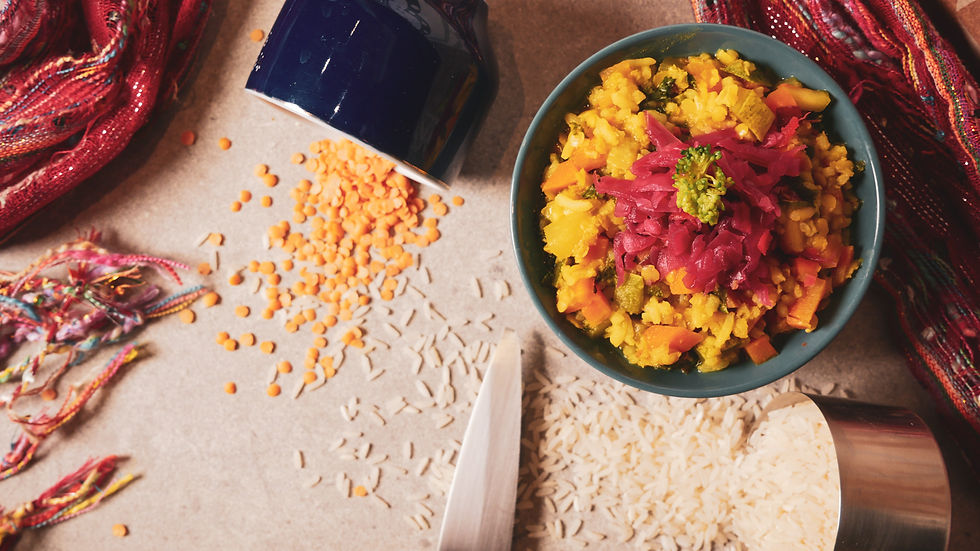
Favor warm, moist, and grounding foods—think soups, stews, root vegetables, and cooked grains.
Eat healthy fats like ghee, sesame oil, and olive oil to counter the season's natural dryness from the inside out.
Avoid excess cold, raw, or dry foods—salads and iced drinks are Vata's aggravating which makes them harder on the body this time of year.
Add warming spices - like cumin, cinnamon, nutmeg, oregano, rosemary to your meals.
Favor sweet, sour, and salty tastes, which are naturally grounding and warming.
Eat on a regular schedule. Irregular eating in itself is imbalancing to Vata, disturbing digestion and the nervous system.
These dietary tips are a great way to start with creating a balancing meal plan for the Autumn. I encourage you to brainstorm some of your favorite soups and stew recipes that include grounding root vegetables, warming spices and healthy fats. These foods will balance the cold, dry rough, light and mobile qualities of the Fall allowing us to feel grounded and nourished.
Lifestyle Tips for Autumn
Diet and lifestyle choices combine to create a powerful duo in maintaining balance during the Autumn season. We all have patterns, habits and routines that we carry day after day, week after week, season after season without much thought. However, each season carries different qualities which impact our inner ecology. And we can intentionally cultivate certain habits and patterns for each season that would help our bodies to stay in balance. Here are some balancing lifestyle tips for the Autumn:
Keep a consistent dinacharya. A steady wake time, sleep time, and meal schedule is one of the most powerful tools against Vata imbalance—and it doesn't need to be complicated to work.
Practice daily abhyanga, a warm oil self-massage, ideally with sesame oil. The skin absorbs what we put on it, so if it's not something you'd eat, it's worth reconsidering for your skin too.
Protect yourself from wind, especially around the head, neck, and ears—Vata's home base in the body.
Take short pauses throughout your day. A one-to-five-minute pause to sit, breathe, or simply be still is enough to reset an overextended nervous system.
Remember that self-care isn't selfish. A grounded, well-rested version of you has more to offer the people and community around you—especially as the holidays bring more demands on your time.
Pranayama Tips for Autumn
Breath is one of the most direct ways to influence Vata, since Vata itself governs movement and air in the body. By being intentional with how we are breathing and how we are channeling the breath and prana, like we do in pranayama, we can have great effects on Vata Dosha. Here are some pranayama techniques and some breath patterns that work great for regulating the nervous system, calming the body and balancing Vata:
Nadi Shodhana (alternate nostril breathing) is deeply balancing and helps settle a scattered mind.
Ujjayi breath, with its slow, warming, oceanic quality, counters Vata's coolness and lightness.
Slow down your exhale. A longer exhale than inhale activates the nervous system's calming response—useful anytime you feel rushed or wound up.
Even five minutes of slow, warming breathwork can make a noticeable difference on a blustery day. On those days where there is more wind or perhaps you are feeling more scattered and all over the place, try to implement multiple breath pauses throughout the day. I like to call these breathing breaks, take at least a minute or more to close your eyes and slow your breathing. Visualize the release of restlessness or anything that is not serving you with each exhale. Take breaks various times throughout your day to go through this breathing break practice, trust me, it makes a huge difference.
Asana Tips for Autumn
Favor grounding, slower-paced practice over anything fast or highly aerobic.
Include forward folds and seated poses, which are naturally calming and help draw energy inward.
Add standing poses with a strong base—Mountain Pose, Warrior Poses, Tree Pose—to cultivate stability.
Move with steady, even breath rather than rushing from pose to pose.
End with extra time in stillness, whether that's a longer Savasana or a few extra minutes of seated meditation.
The differentiator here is the themes you bring when practicing the asanas. Try to focus on themes of grounding, stability, one pointed focus, moving with intention, etc. During this season most trees “let go” of their leaves in a practice of release. You can tap into the creativity that arises due to the air element that plays a governing role in autumn. Really, there are many ways you can approach your asana practice during this time. The big emphasis is to try and counter the qualities of restlessness, scatteredness and excessive movement that can move in at this time of year. These sensations might not even be completely on the physical level, they may show up more in our mental state, emotions and energetic body, so just be aware of this.
Bringing It All Together
Autumn's energy of movement and transition is part of what makes it beautiful, but it's also exactly why grounding practices matter so much right now. By meeting Vata's dryness, coolness, and mobility with warmth, moisture, and routine, you can move through the season feeling steady rather than scattered. Routine here really is essential, think about those practices that can help keep you anchored during this season on the physical, mental and emotional level and stick with them.
Today we explored some simple diet, lifestyle, pranayama and asana tips to lean into for autumn. Take a moment to think about which of these tips are connecting to you and how you can implement them into your seasonal routine for this time of year.
In the coming weeks, we'll be sharing more tools and diving deeper into some of these tips we shared today, so make sure to stay tuned. Everything really comes back to intention and awareness so as we move into autumn, notice how you can move through life with intention.
Notice how you can cultivate more awareness and connection with yourself and tune into what your body is trying to communicate with you. This can be through physical sensations like digestion, or through your mental state or your mood. From this feedback and communication you are receiving, can you find ways to support yourself, to cultivate balance and to honor what your body and intuition is asking for?
Sending lots of positive prana your way, stay grounded as we move into this next beautiful chapter and transition into fall. Thanks for ready and we will catch you next time!


Comments